
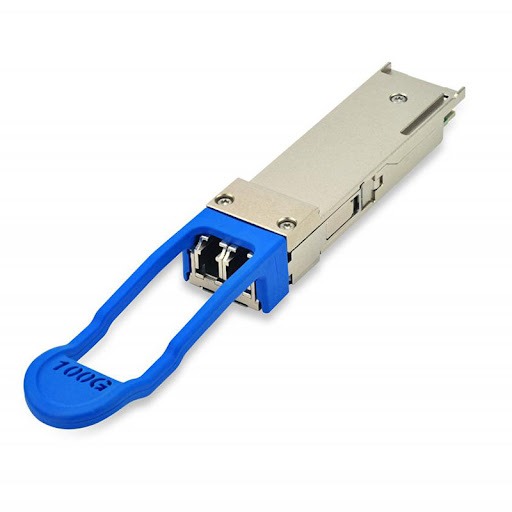
As 100G Ethernet becomes a mainstream choice for data center interconnects, enterprise core networks, and service provider aggregation layers, the 100GBASE-LR4 QSFP28 optical module has established itself as a reliable solution for 10 km single-mode fiber links. While the technology itself is mature, achieving stable performance and long-term reliability still depends heavily on proper deployment and maintenance practices. Understanding how to install, configure, and maintain these modules is essential for maximizing network performance and protecting investment over time.
Understanding the Deployment Requirements
Network and Application Considerations
Before deploying 100GBASE-LR4 QSFP28 modules, it is important to evaluate the network environment and application requirements. LR4 modules are designed for single-mode fiber transmission at a wavelength of 1310 nm and support distances of up to 10 km. They are commonly used in data center interconnects, campus networks, and metro-access links where high bandwidth and moderate reach are required. Ensuring that the target links fall within these parameters helps avoid unnecessary signal loss or performance degradation.
Equally important is verifying switch and router compatibility. Although 100GBASE-LR4 follows an IEEE standard, different platforms may have specific requirements related to firmware versions, power budgets, or supported transceiver lists. Confirming compatibility in advance reduces the risk of link instability or unexpected downtime during deployment.
Fiber Infrastructure Readiness
A stable 100G LR4 link depends on the quality of the underlying single-mode fiber infrastructure. LC duplex connectors are used on LR4 modules, making them compatible with standard SMF cabling. Before installation, fiber links should be inspected to ensure that connectors are clean, properly terminated, and free from physical damage. Existing fiber routes should also be evaluated for total link length and attenuation to confirm that they fall within the optical power budget of the module.
In environments where fiber has been in service for many years, aging connectors or poorly managed patch panels can introduce unexpected losses. Addressing these issues prior to deployment helps ensure that the 100G link performs as expected from the start.
Installing 100GBASE-LR4 QSFP28 Modules
Proper Handling and Insertion
Handling optical modules correctly is critical to preventing damage and ensuring long-term reliability. 100GBASE-LR4 QSFP28 modules should be kept in anti-static packaging until installation and handled with appropriate electrostatic discharge precautions. When inserting the module into a QSFP28 port, it should slide in smoothly without excessive force. A secure latch engagement indicates proper seating in the port.
After insertion, the LC duplex fiber connectors should be carefully connected, ensuring that the transmit and receive fibers are correctly aligned. Because LR4 uses duplex fiber rather than parallel fiber, polarity management is relatively straightforward, but attention is still required to avoid cross-connection errors.
Initial Link Verification
Once the module and fiber are connected, the next step is verifying link establishment. Network devices should recognize the module and report a link-up status within a short period. At this stage, monitoring diagnostic data can help confirm that the optical parameters fall within normal operating ranges. Any abnormal readings may indicate issues such as excessive fiber loss, poor connector quality, or incompatible hardware.
Leveraging DDM for Ongoing Monitoring
Understanding DDM Parameters
Most 100GBASE-LR4 QSFP28 modules support Digital Diagnostic Monitoring, which provides real-time visibility into key operational parameters such as temperature, supply voltage, laser bias current, and optical transmit and receive power. These metrics offer valuable insights into both module health and link quality.
By establishing baseline readings shortly after deployment, network operators can more easily detect deviations over time. Gradual changes in optical power or temperature may signal developing issues that can be addressed before they lead to link failures.
Integrating Monitoring into Network Operations
For long-term maintenance, DDM data should be integrated into existing network monitoring and management systems. Continuous visibility allows operations teams to identify trends, correlate performance issues with environmental conditions, and plan proactive maintenance. This approach is particularly valuable in large-scale deployments where manual inspection of individual links is impractical.
Maintaining Link Performance Over Time
Fiber Cleanliness and Physical Maintenance
One of the most common causes of optical link degradation is contamination at the fiber connector interface. Even small amounts of dust or residue can significantly impact signal quality at 100G speeds. Regular inspection and cleaning of LC connectors during maintenance windows helps maintain optimal performance and reduces the risk of intermittent link issues.
Proper cable management also plays a role in long-term reliability. Excessive bending, tension, or poor routing can increase attenuation and stress the fiber. Maintaining appropriate bend radius and organized patch panels helps preserve signal integrity over the life of the deployment.
Managing Thermal and Environmental Factors
Although 100GBASE-LR4 QSFP28 modules are designed to operate within defined temperature ranges, environmental conditions still influence performance and lifespan. Adequate airflow within switch chassis and equipment racks is essential to dissipate heat generated by high-speed transceivers. Monitoring temperature trends through DDM can help identify cooling issues before they affect stability.
Troubleshooting and Lifecycle Considerations
Identifying Common Issues
When link problems occur, a structured troubleshooting approach helps isolate the root cause. Issues may stem from fiber attenuation exceeding the power budget, mismatched connectors, or hardware incompatibilities. Reviewing DDM data, inspecting fiber paths, and testing alternative ports or cables can quickly narrow down potential causes.
Planning for Long-Term Network Evolution
As network requirements evolve, 100GBASE-LR4 modules often serve as a transitional or long-term solution. Their standardized design and widespread adoption make them easy to integrate into future network expansions. Maintaining accurate documentation of deployed modules, fiber routes, and diagnostic baselines supports smoother upgrades and replacements over time.
Conclusion
Deploying and maintaining 100GBASE-LR4 QSFP28 optical modules requires more than simply inserting a transceiver and connecting fiber. Successful implementation depends on careful planning, proper handling, thorough verification, and ongoing monitoring. By paying close attention to fiber infrastructure quality, leveraging DDM capabilities, and adopting proactive maintenance practices, network operators can ensure stable 100G performance and extend the operational life of their optical links. In high-bandwidth environments where reliability and scalability are critical, disciplined deployment and maintenance strategies make all the difference.